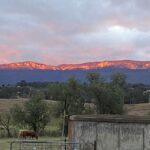
History of the Capertee Valley.
Formation of the Capertee Valley gave rise to this project.
Click here to find out how the shale was created!
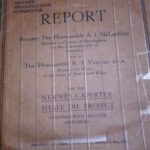
1934 Newnes Investigation Report.
This report gave the go ahead to the Lyons Government to start the Glen Davis Shale works ruins. More information about this report will be added over the coming months.
Click here to find out more!
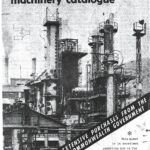
1952 Equipment Auction Catalogue.
What was for sale when the Federal Government auctioned off the equipment on the site?
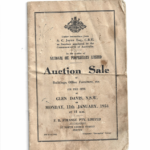
1954 Building Auction Catalogue.
What was for sale when the Federal Government auctioned off the buildings on the site?
Pictorial Journey the Glen Davis Shale works.
A pictorial description of the rise and fall of Glen Davis Shale Works.
Click here to see the video on the Shale works History!
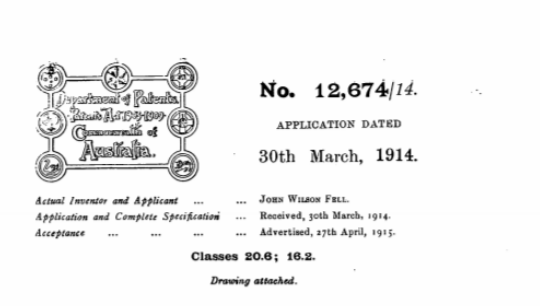
The patented design by John Fell.
For those of you who’ve joined my Glen Davis tour, you’ll remember the story I often share—how Walter Sheeler rejected the patented design by John Fell of heating shale in the retort bench. By dismissing this innovation, not only was petrol output significantly reduced, but the decision also had tragic consequences. The flawed process led to the fatal incident that claimed the life of John Wightman. This moment is a poignant reminder of how choices made in industry echo far beyond the boardroom, leaving lasting marks on people’s lives and history itself.
Click here to view the video!
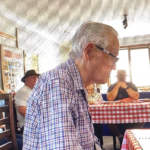
Historical session by George Wilson 2025.
Here the historical accounts of Glen Davis By George Wilson 2025.
Click here to find out more!
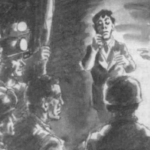
New Theatre group.
As part of the public awareness campaign to draw attention to the closure of the works in 1952, the New Theatre group peformed the show "The Candy Store" in the mine.
Click here to view video!
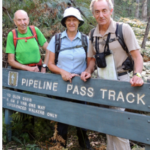
Pipeline track.
Pipeline track created by Commonwealth Oil Corporation.
Click here to find out more!
Brief Shale mining History.
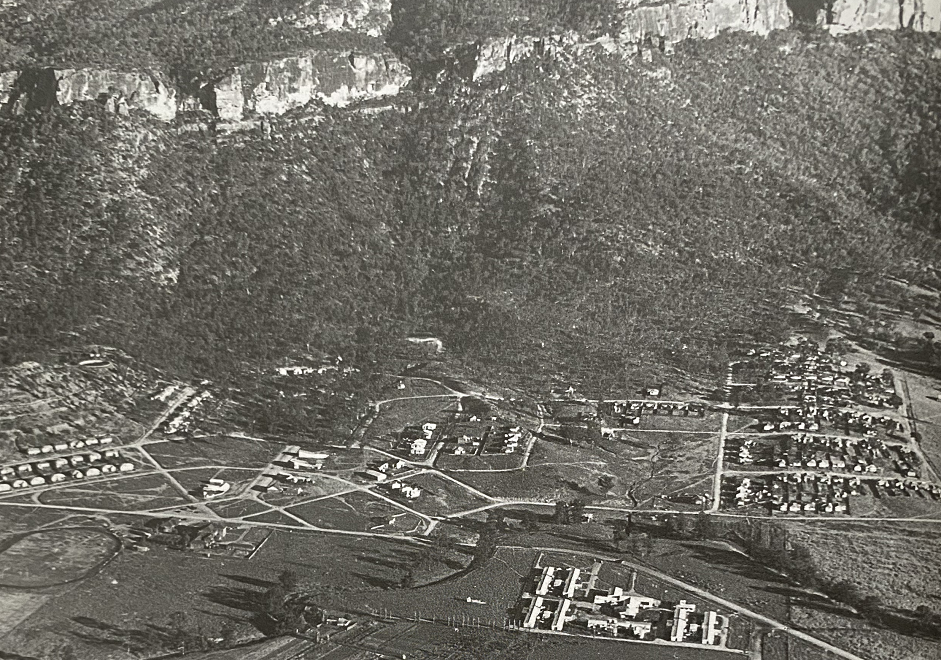
The Town.
- 11 substantial brick houses for staff,
- a staff hostel made of brick accommodating 30 junior staff,
- 100 permanent and 50 'war-type' individually owned residences.
- a group of barracks with accommodation and boarding for 120 single men,
- a commercial hotel with 25 rooms,
- 'Bag Town' of 250 mostly sub-standard dwellings (tents made of hessian bags),
- The school had 260 pupils and 7 teachers.
- There was a post office, a bank and a police station,
- a doctor, a pharmacist,
- three churches,
- a community centre,
- golf course,
- bowling green,
- childrens’ playground,
- tennis courts,
- two general stores,
- a pharmacy,
- a garage, a 'saloon' (a bar separate from the hotel), a barber shop, a hotel,
- a motion-picture theatre in the 'Bag Town' and a bakery.